




Is The Inside Of A Shell-and-tube Heat Exchanger Made Of Copper?
 May 19, 2026|
Excellent thermal conductivity: Copper's thermal conductivity is approximately 400 W/(m·K), eight times that of carbon steel.
Good ductility: Easily processed into thin-walled pipes, improving heat exchange efficiency.
Poor corrosion resistance: Prone to stress corrosion cracking when exposed to ammonia and sulfides.
Cost fluctuation: Prices fluctuate significantly due to international market influences.
However, modern heat exchangers are no longer solely reliant on copper; many other materials are emerging.
The Rise of Non-Copper Materials
High-Temperature, High-Pressure Scenarios: Titanium alloys can operate stably at 600℃.
Corrosive Media: Hastelloy exhibits outstanding resistance to concentrated hydrochloric acid corrosion.
Budget-Sensitive Projects: Stainless steel 304 costs approximately 40% less than copper.
Lightweight Requirements: Aluminum alloys weigh only 1/3 of copper.
Material selection is like tailoring a heat exchanger; suitability is more important than cost.
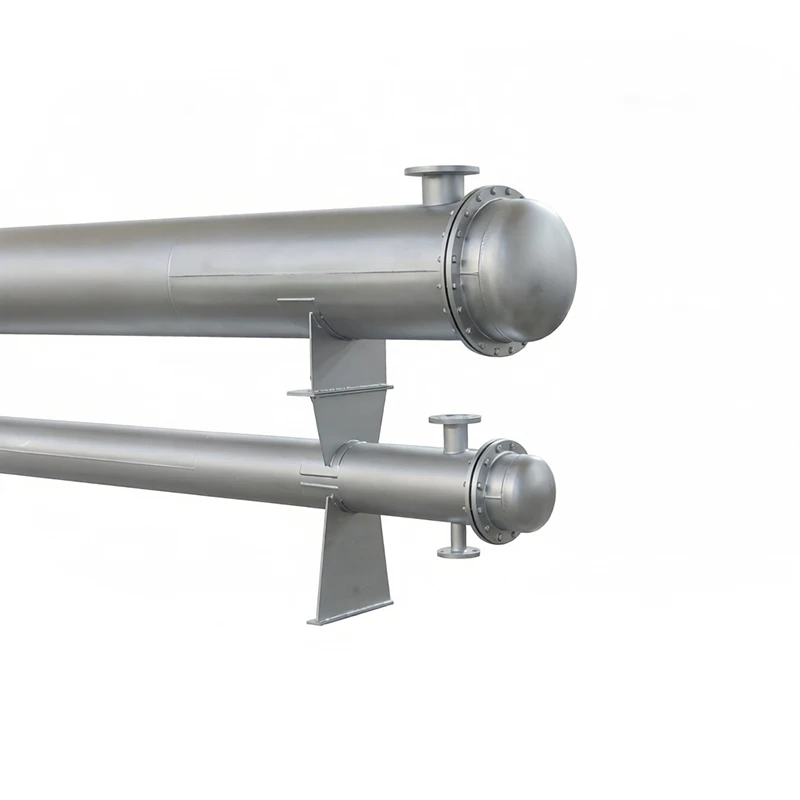
Copper-Aluminum Composite Tubes: The inner copper layer ensures thermal conductivity, while the outer aluminum layer reduces weight.
Coating Technology: Copper plating on the inner wall of carbon steel tubes balances cost-effectiveness and performance.
Modular Design: Components of different materials can be combined as needed, such as titanium tube sheets with a stainless steel shell.